The River Remains
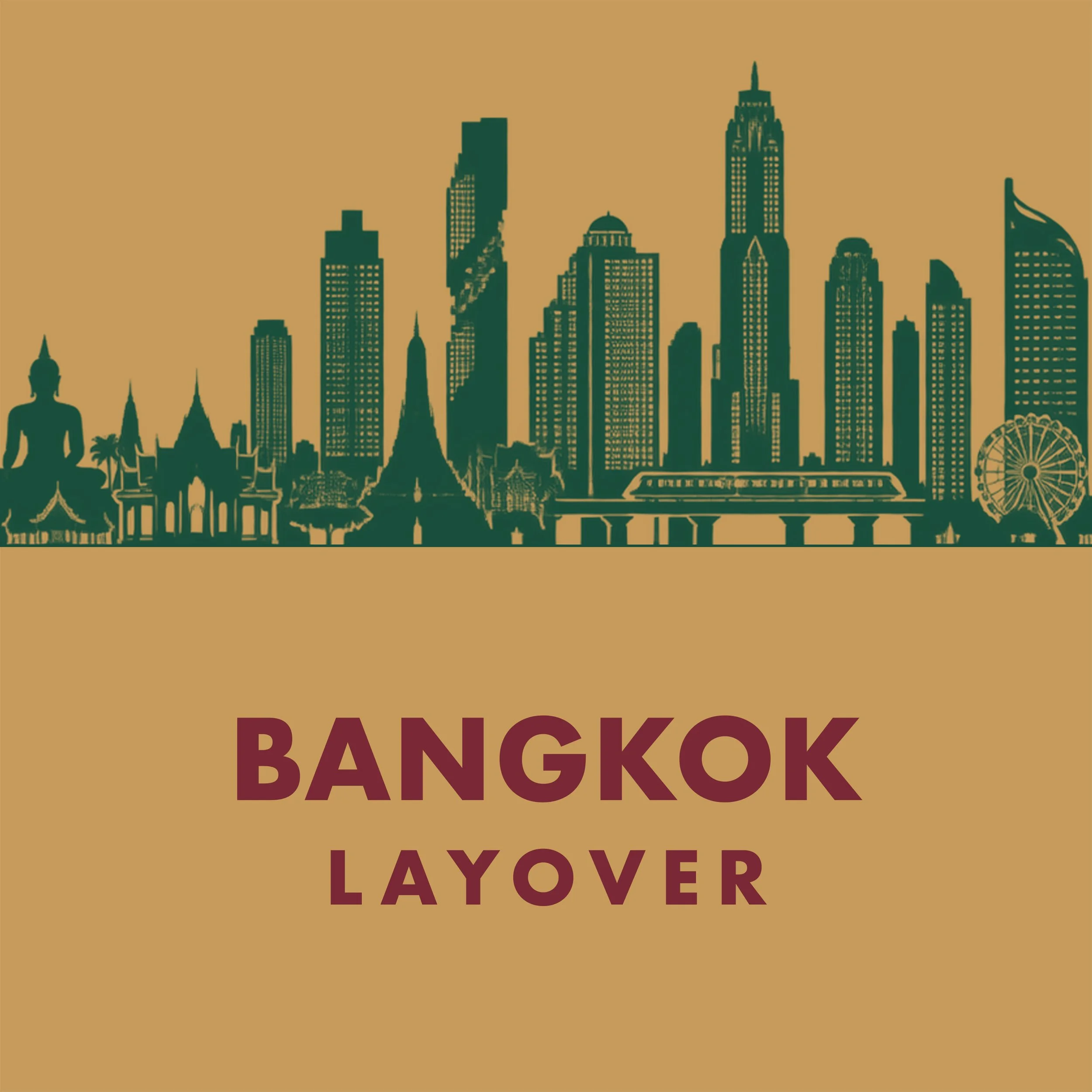
Bangkok Layover begins before the city has fully appeared. The Chao Phraya is still dark, traffic is only beginning to gather and Bangkok seems momentarily suspended between water and sky. From there, the piece opens slowly into the city: gilded temples, ferries crossing the river, engines, elevated trains, glass towers and streets accumulating heat. Unlike a journey built around arrival and departure, this Layover follows a circle. It leaves the river only to return to it after nightfall, as though Bangkok could be travelled extensively without ever escaping the current that has shaped it.
That circular movement reflects the city itself. Bangkok constantly places different eras beside one another without resolving the contradiction. Sacred architecture survives beneath concrete viaducts. Spirit houses stand beside shopping centres. Monks cross streets beneath enormous advertising screens while boats continue to move through waterways older than the roads above them. Bangkok Layover does not separate these Bangkoks into picturesque categories. They coexist inside the same soundscape, with restrained Thai instrumental colours appearing within ambient electronics, organic percussion and subtle trip-hop rhythms rather than being presented as exotic decoration.
Listen on YouTube Music
Water remains the quiet structure beneath everything. The Chao Phraya is not simply scenery but one of Bangkok’s original organising forces, connecting temples, markets, homes, commerce and movement long before the city began expanding vertically. In The Living River, that circulation becomes more physical, before the music climbs into The Vertical Machine: trains, towers and infrastructure pushing Bangkok upward while the older city continues below. The contrast is not between tradition and modernity so much as between two systems of movement that have learned to occupy the same space.
Then the city pauses. Monsoon Suspension interrupts the momentum without stopping it completely, capturing that peculiar Bangkok moment when humidity thickens, rain hangs above the streets and everything seems to wait for something to break. From there, The Second Skin moves into the warm red glow of Yaowarat, where night changes the city’s temperature again. Bangkok becomes more sensual, denser and more intimate, but never entirely nocturnal in the conventional sense. Even at night, it feels active rather than awake, as though the machine simply changes rhythm.
Within the City Layovers series, Bangkok is perhaps one of the clearest expressions of what these sound postcards are designed to do. Like Singapore, Kuala Lumpur, Jakarta, Taipei, Shanghai, Saigon and Kyoto before it, the city is approached through sensation rather than itinerary. There is no attempt to explain Bangkok completely, because a city this layered resists completion. The music simply passes through its sacred spaces, infrastructure, weather, commerce and light before returning to where it began. After temples, trains, rain and neon, the Chao Phraya appears again in darkness. The city has changed around it. The river remains.