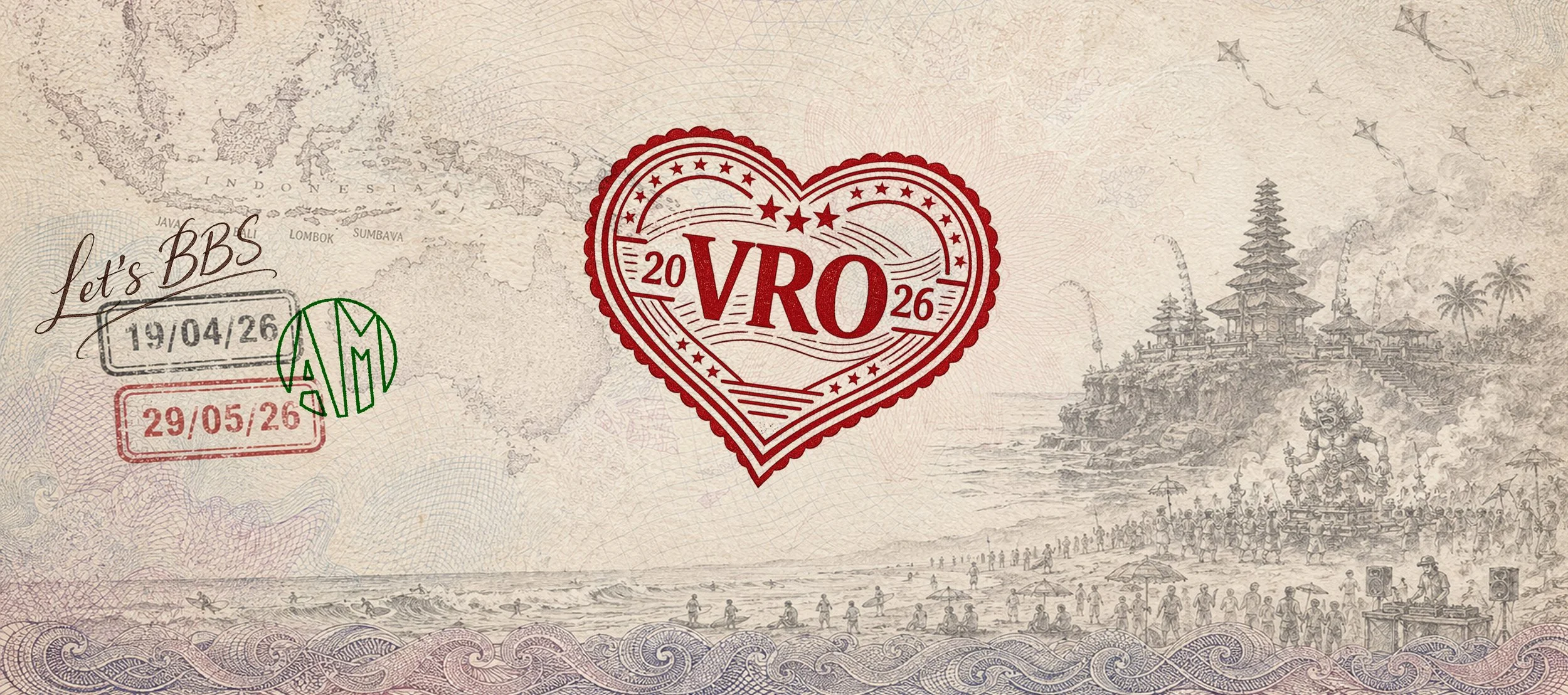
An Asian Contrast
Bali, Saigon and The Complicated Art of Loving a Place
After almost two years living in Bali, I have come to an uncomfortable conclusion: I need some distance from the island. Not because I regret coming here, nor because I have stopped appreciating its extraordinary beauty, but because the things that increasingly irritate me have begun to outweigh those that once made me want to stay. Bali has given me wonderful encounters, remarkable places, beautiful memories and enough inspiration to create an entire musical universe around the peculiar comedy of expatriate life. For all of that, I remain genuinely grateful. Living somewhere, however, is very different from visiting it. Eventually, the postcard gives way to everyday reality, and the reality of Bali has become increasingly difficult to reconcile with the paradise it continues to advertise.
The Price of Paradise
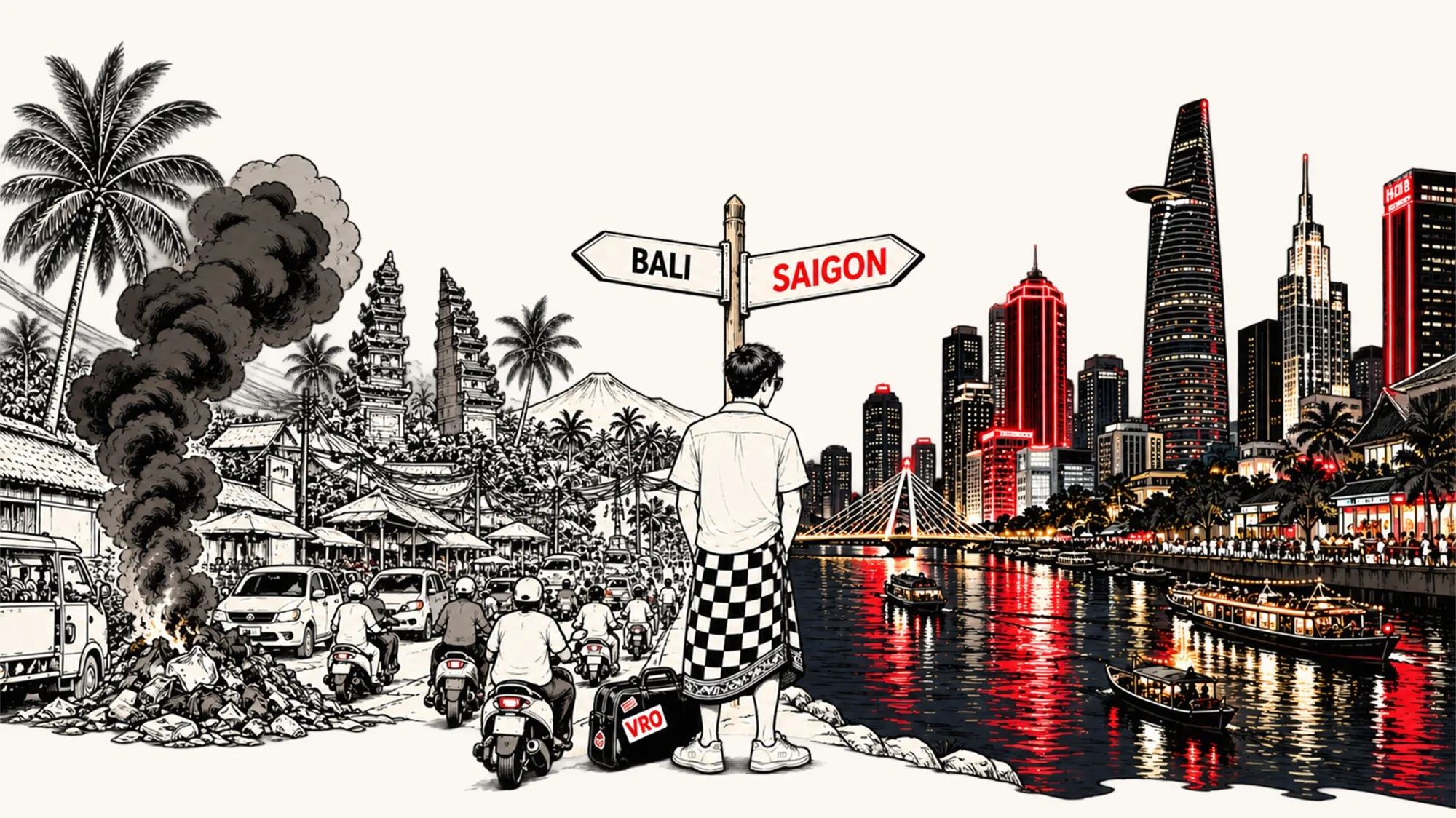
Uncontrolled development, endless construction, suffocating traffic, pollution and the gradual disappearance of landscapes that were supposedly the island's greatest treasures. Bali seems to have developed an extraordinary appetite for investment, with considerably less enthusiasm for considering its consequences. Luxury villas rise beside overflowing drains, rice fields disappear behind concrete walls and the vocabulary of sustainability becomes almost surreal when confronted with the condition of the surrounding environment. The island has perfected the art of selling harmony while allowing the foundations of that harmony to deteriorate.
The pollution is not limited to the rubbish accumulating along roadsides or floating in rivers. It is also in the air we breathe. Household waste is routinely burned in the open, sometimes beside roads and residential properties, sending thick, acrid smoke into an atmosphere already burdened by poorly maintained trucks, ageing engines and the charcoal grills of countless roadside warungs. These emissions are not equally harmful, but together they contribute to an increasingly unpleasant environment. More troubling still, burning rubbish has become a practical response to inadequate waste collection. People dispose of what the system fails to manage, exposing themselves and their neighbours to potentially toxic fumes. For an island attracting billions in tourism and property investment, the inability to organise reliable waste management is a remarkable contradiction.

The cry of a wounded planet, a goddess calling us to account for the way we treat her.
Tourism has undoubtedly accelerated development, increased consumption and overwhelmed infrastructure. Yet tourists have also become convenient scapegoats. They are not responsible for every bag of household rubbish dumped into rivers, every drainage canal turned into a disposal site or every roadside fire. These practices also exist within local communities, compounded by inadequate public services and inconsistent environmental education. Foreign visitors and businesses contribute to the problem, while many Balinese individuals and organisations work tirelessly to address it. But protecting the environment ultimately requires responsibility at every level, including among those who live on the island and those entrusted with governing it.
This is where Bali's spiritual identity becomes particularly difficult to reconcile with everyday reality. I have tremendous respect for Balinese Hinduism, its ceremonies and the extraordinary traditions it has preserved. Yet a society that celebrates the sacredness of nature should surely extend that reverence to the practical protection of its rivers, forests, beaches and soil. Praying to the gods is one thing. Taking care of their creation is another. Respecting a culture should never require overlooking the distance between its ideals and its practices.
The contradictions extend to Bali's economic ambitions. The island increasingly presents itself as an international destination for investment, luxury tourism and business, while placing greater restrictions on smaller foreign-led enterprises. Protecting local entrepreneurs is a legitimate objective, but there is something questionable about courting major international developments while discouraging the independent restaurants, fashion labels, creative studios and modest hospitality ventures that can enrich a destination far beyond their initial financial investment. Such businesses create employment, encourage knowledge transfer, support local suppliers and contribute to the diversity that makes a place culturally attractive. Economic protection is no substitute for professional education, effective infrastructure and a competitive business environment.
Bali appears determined to attract international wealth without consistently providing the conditions that sophisticated international development requires. Luxury resorts and exclusive compounds may generate substantial revenues, but they do not automatically create a functioning public realm or a diversified economy. Affluent visitors and responsible investors expect clean streets, reliable infrastructure, environmental standards, predictable administration and coherent urban planning. A collection of expensive resorts does not constitute an international hub, particularly when the world outside their gates struggles with problems that should have been addressed decades ago.
Then there is the matter of governance. Inconsistent regulations, administrative unpredictability and the complicated relationship between money, influence and public responsibility raise legitimate questions about priorities and accountability. I would like to see the same determination applied to scrutinising major developments and their environmental consequences as is applied to regulating smaller foreign enterprises. Bali's inhabitants have every right to economic opportunity and modernisation, but prosperity should be measured by what it improves, not simply by what it builds. After almost two years, I am left with the impression of an island pursuing ambitions that its infrastructure and institutions are not yet equipped to sustain, while gradually sacrificing the extraordinary qualities that made those ambitions possible.
An Unexpected Encounter with Saigon
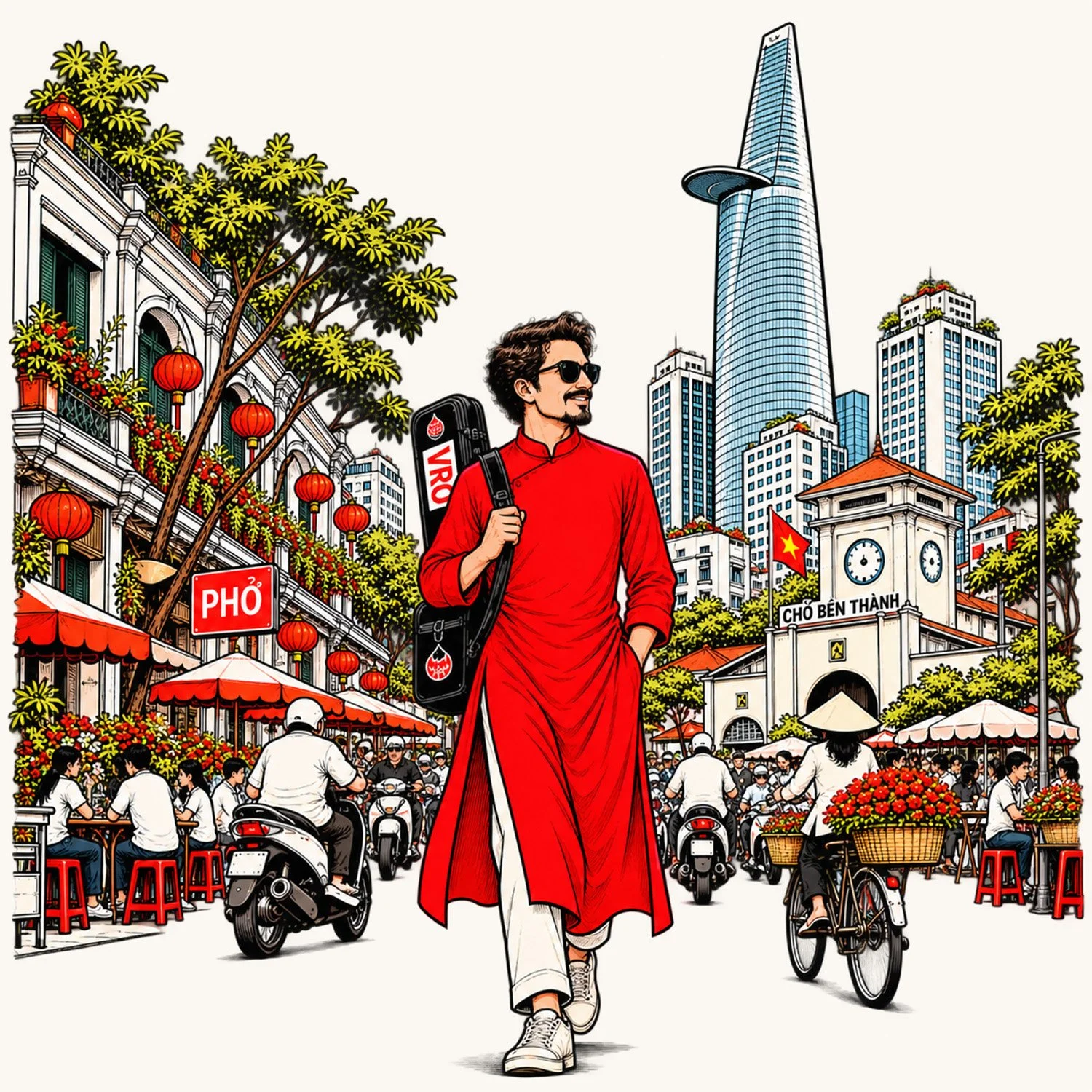
The colors are back!
Then, quite unexpectedly, I went to Saigon. I wasn't looking for another paradise. In fact, I had developed a certain allergy to the word. What I discovered was a city: vast, sophisticated, culturally restless and surprisingly pleasant to inhabit. Its streets carried the history of successive eras, its architecture revealed unexpected combinations of French colonial heritage and contemporary ambition, and its cafés, workshops, galleries, markets and independent businesses suggested a society actively engaged in shaping its own future.
What surprised me most, however, was something considerably less glamorous: the cleanliness, the relative calm and the attention given to the urban environment. For a metropolis of such extraordinary size and density, the neighbourhoods I explored felt remarkably orderly. Streets were clean, buildings maintained and public spaces generally respected. In certain districts, the level of cleanliness was almost Swiss. After Bali, and even compared with my impressions of Jakarta, where congestion and environmental neglect had often dominated my experience, the contrast was astonishing. I had expected the familiar chaos of a Southeast Asian megacity and instead found myself enjoying the simple pleasure of walking through streets that appeared cared for.
These observations are necessarily personal, based on the areas I visited rather than any comprehensive assessment of the city. What stayed with me was the impression of a different relationship between people and their surroundings. Public space seemed to matter as an extension of collective life, rather than an unfortunate interval between private properties. It was a refreshing experience after so much time spent navigating environments where individual enterprise appears to thrive while shared infrastructure struggles to keep pace.
Saigon also possesses a cultural confidence that I found immensely stimulating. There is an appetite for design, fashion, gastronomy, art and contemporary expression that extends well beyond the expectations of foreign visitors. The city does not appear particularly interested in reinventing itself as an exotic sanctuary for expatriates. It has businesses to develop, ideas to explore, ambitions to fulfil and a cultural identity that continues to evolve on its own terms. I found this infinitely more engaging than another carefully marketed promise of tropical serenity.
A Curious Political Paradox
This experience also confronted me with an uncomfortable political contradiction. Indonesia is an electoral democracy, with political pluralism and public freedoms that should never be taken for granted. Vietnam remains a communist one-party state, where political opposition and freedom of expression face severe restrictions. These differences are fundamental, and I have no intention of confusing pleasant urban surroundings with political liberty, let alone suggesting that authoritarianism is a prerequisite for development.

A love letter to the Indonesia I once imagined, before recent events cast it in a different light.
Nevertheless, my everyday experience presented an almost absurd reversal of familiar stereotypes. In Indonesia, I have occasionally found myself confronted with the kind of bureaucracy, conflicting interests and administrative inconsistency traditionally associated with the rather unflattering expression "banana republic". Meanwhile, the country so often reduced in Western imagination to the caricature of a "communist police state" revealed an urban society whose cultural sophistication, entrepreneurial energy and apparent concern for its surroundings left a strong impression on me.
Neither caricature constitutes a serious political analysis, but the contrast raises a legitimate question about the relationship between political institutions and the quality of everyday life. Democracy does not automatically guarantee responsible governance, environmental protection or competent urban planning. Equally, a dynamic city does not absolve an authoritarian government of its restrictions on individual freedoms. Vietnam's creative and entrepreneurial vitality belongs above all to its people, not to the ideology of its rulers. What interested me was discovering how little the labels we attach to countries can sometimes tell us about the experience of actually living in them.
I am perfectly aware that a few weeks in Saigon cannot reveal the full complexity of Vietnamese society. There are political, social and environmental realities I have yet to encounter, and the pleasure of a first visit is no substitute for the experience of ordinary life. Nevertheless, I see no reason to distrust my own impressions simply because they contradict the conventional image of an Asian metropolis. Saigon offered me something I had been missing: cultural stimulation, the pleasures of city life and a renewed curiosity about the possibilities of the future.
Leaving Is Not Forgetting
At this stage of my life, I feel increasingly drawn to places where creativity, ambition, cultural identity and human relationships can coexist without everything being packaged as an experience for outsiders. This is ultimately what separates my relationship with Bali from my first impressions of Saigon. One increasingly gives me the feeling of a place being transformed into a product for the international market; the other, of a city pursuing its own ambitions, with or without the approval of those passing through.
That impression may evolve, and I intend to give it the opportunity to do so. I will return to Saigon to spend more time there, to work, establish relationships and discover whether the fascination survives the practical realities of daily life. I have no desire to replace one exotic fantasy with another. The point of leaving Bali is not to discover a new paradise, but to recover the pleasure of participating in a world that interests me.
None of this diminishes my affection for the island. Bali inspired songs, stories, friendships and experiences that will remain part of my life. Somewhere along the way, it also gave birth to Visa Run Orchestra, a musical comedy about the dreams, vanities, absurdities and occasional tenderness of expatriate existence. I sincerely hope the island finds a more sustainable balance between preserving its extraordinary heritage and accommodating its economic ambitions. There are still magnificent places, remarkable craftsmen, generous people and moments of genuine beauty here. They deserve considerably better than becoming decorative accessories to another property development.
For now, it is time to explore another chapter. We will probably return after the rainy season, when the waters of March have washed over the island and the demons have been chased away in the rituals preceding Nyepi. Rain and religious ceremonies will not solve the problems of urban planning, pollution or governance, but I rather like the idea of allowing paradise a little time to recover from itself.
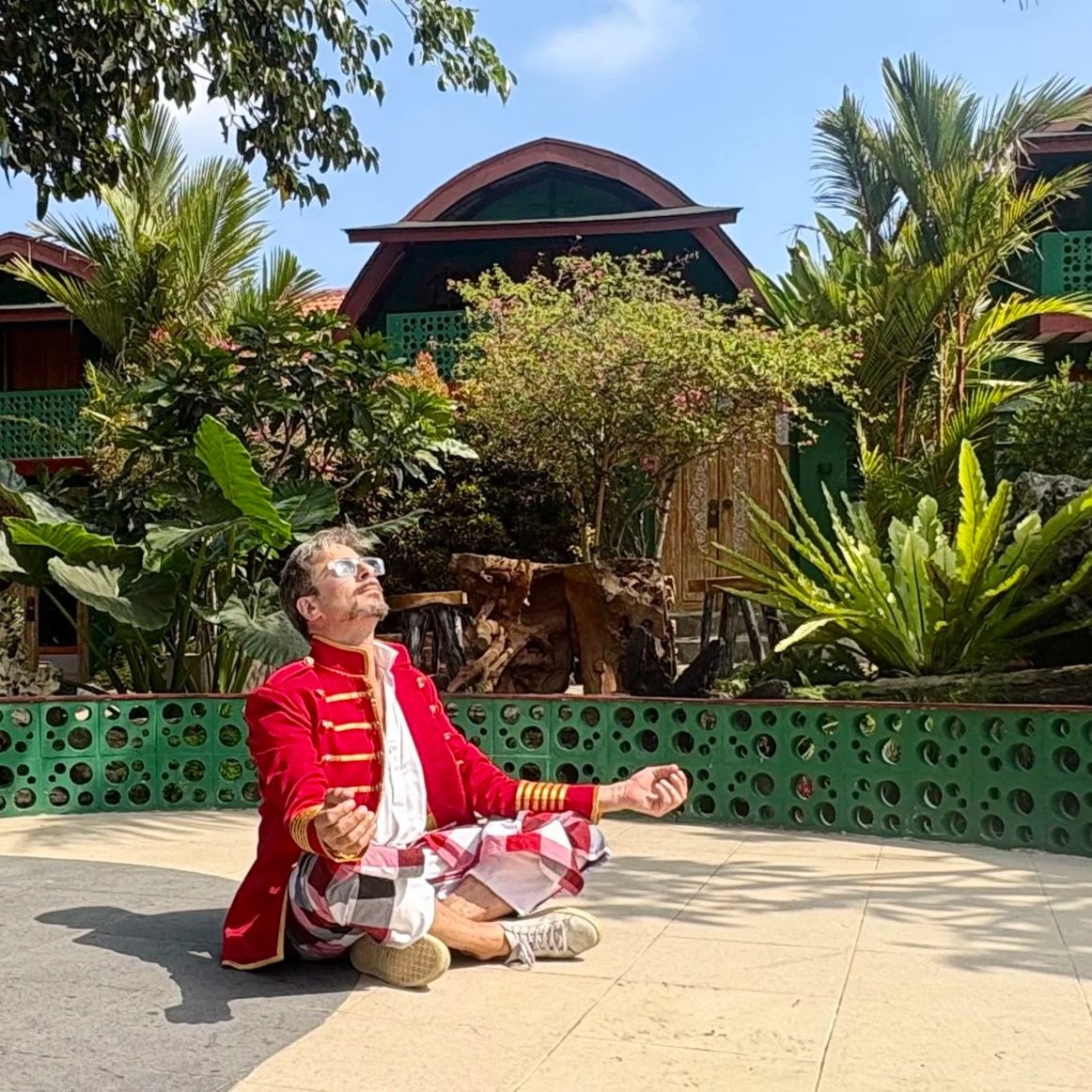
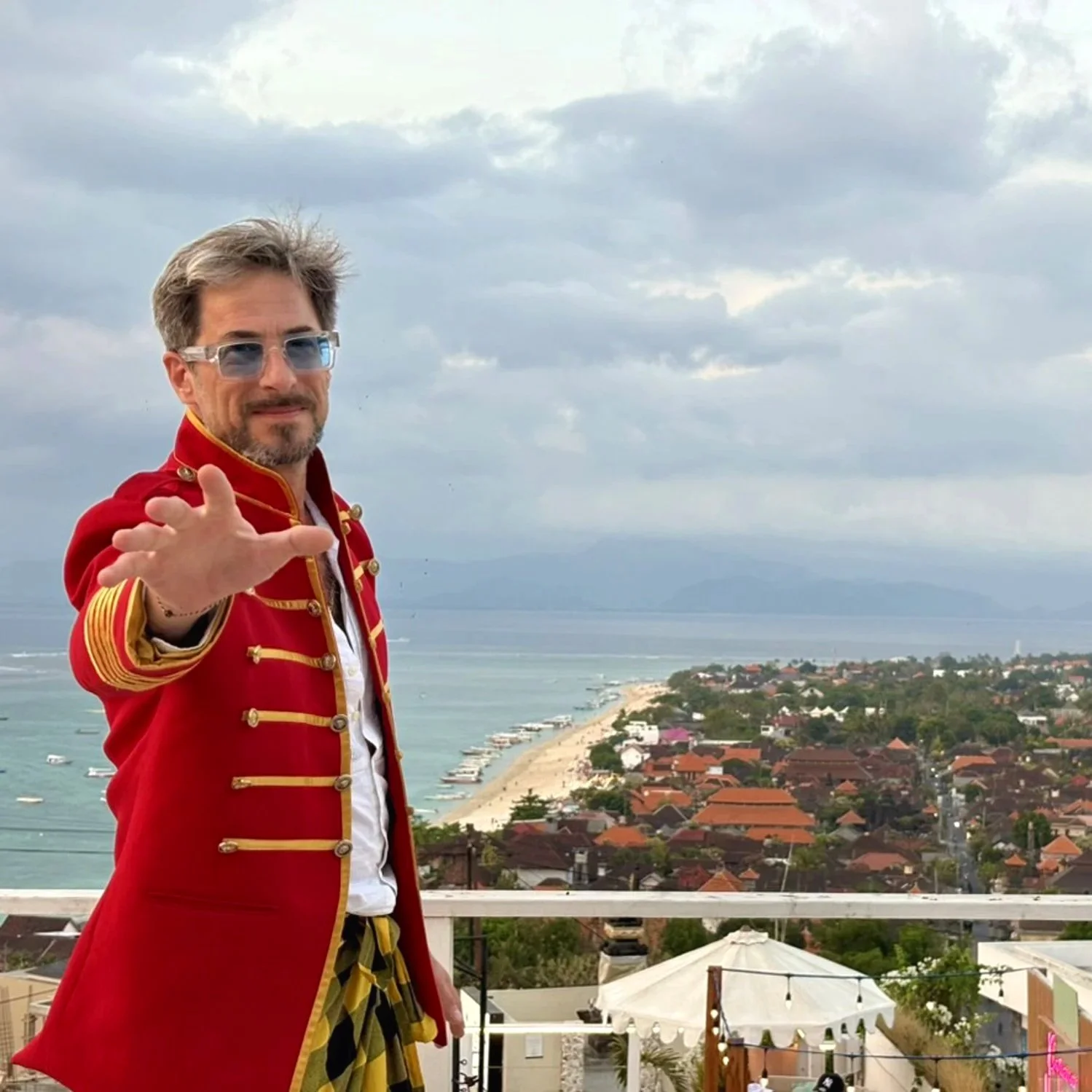
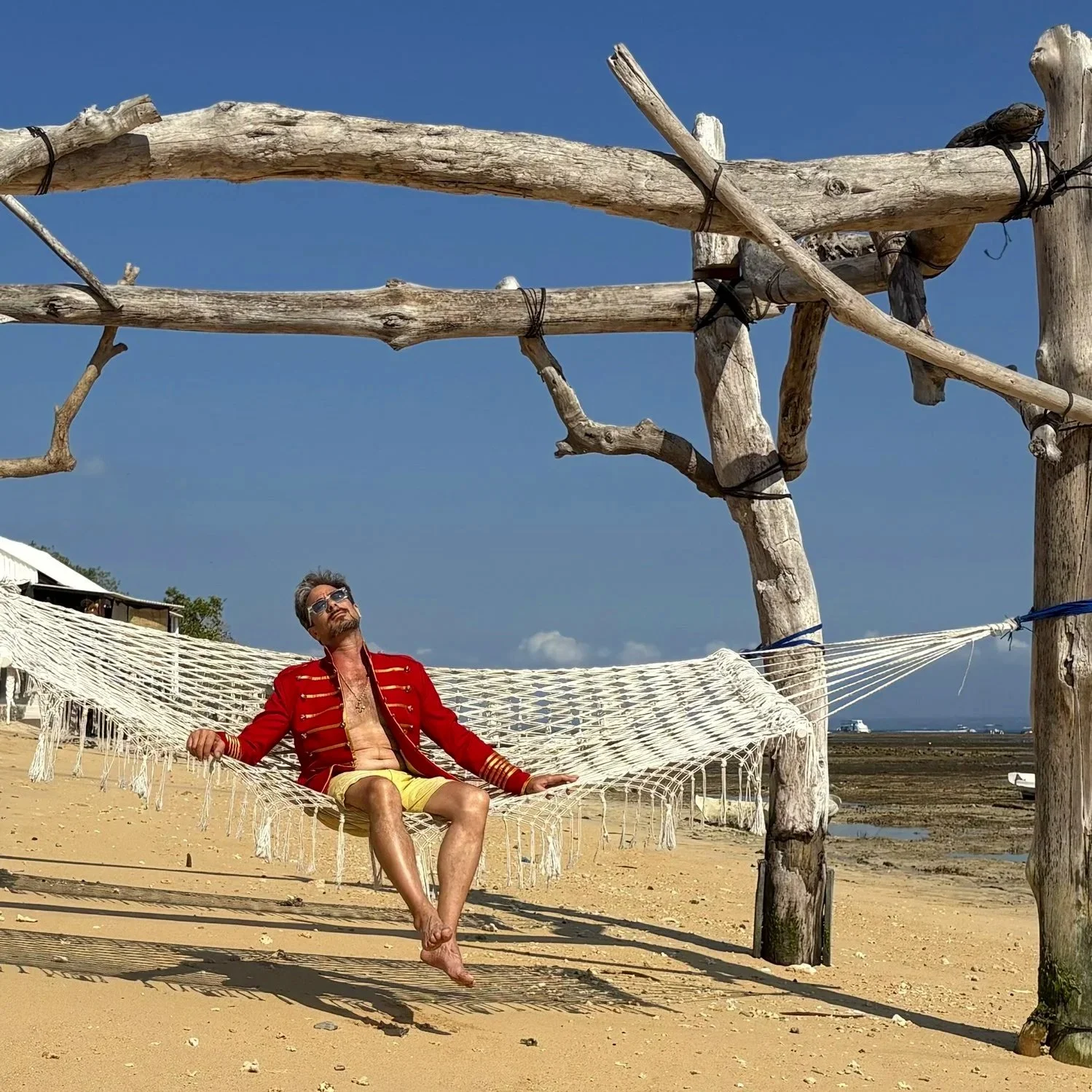

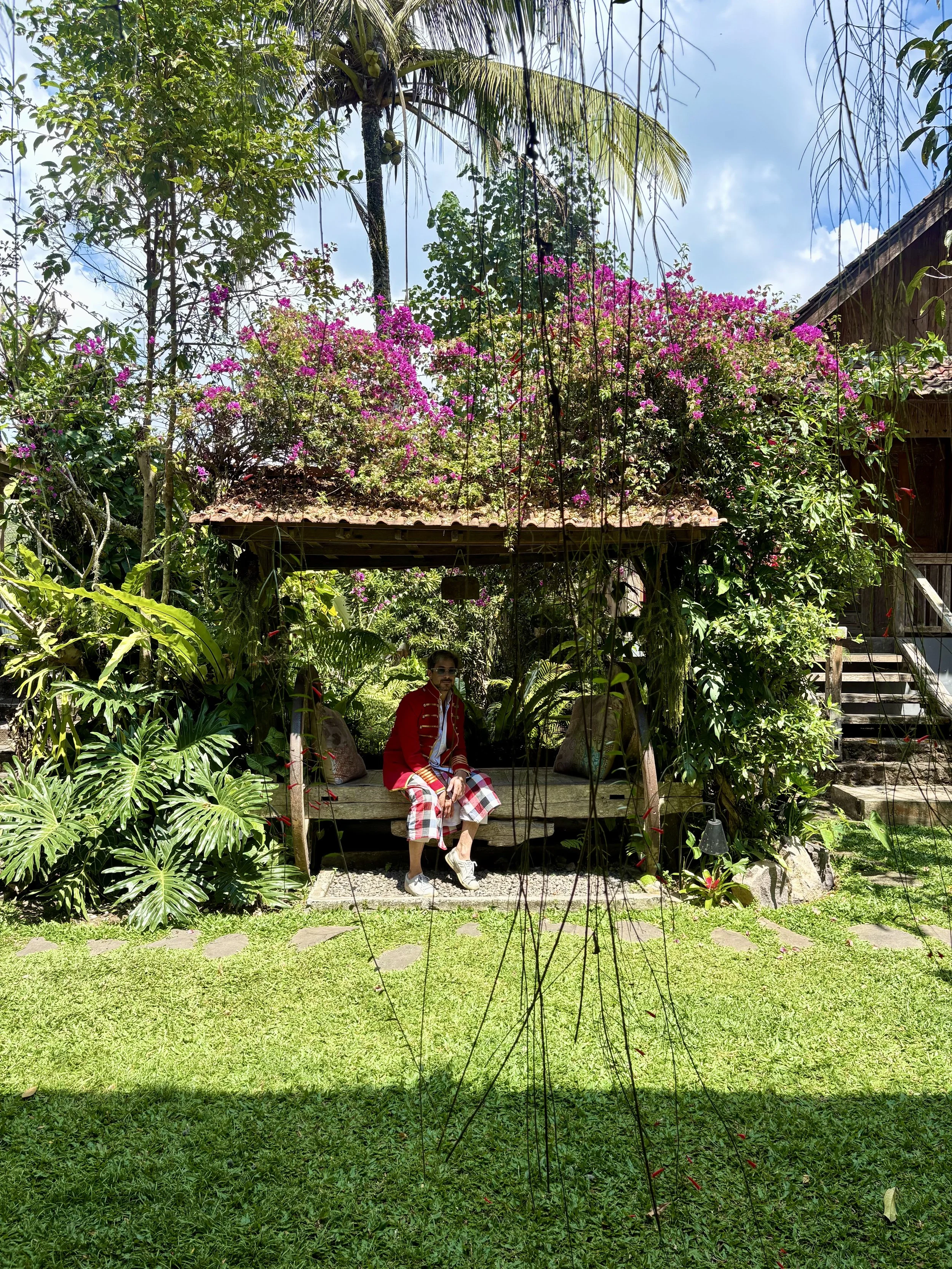
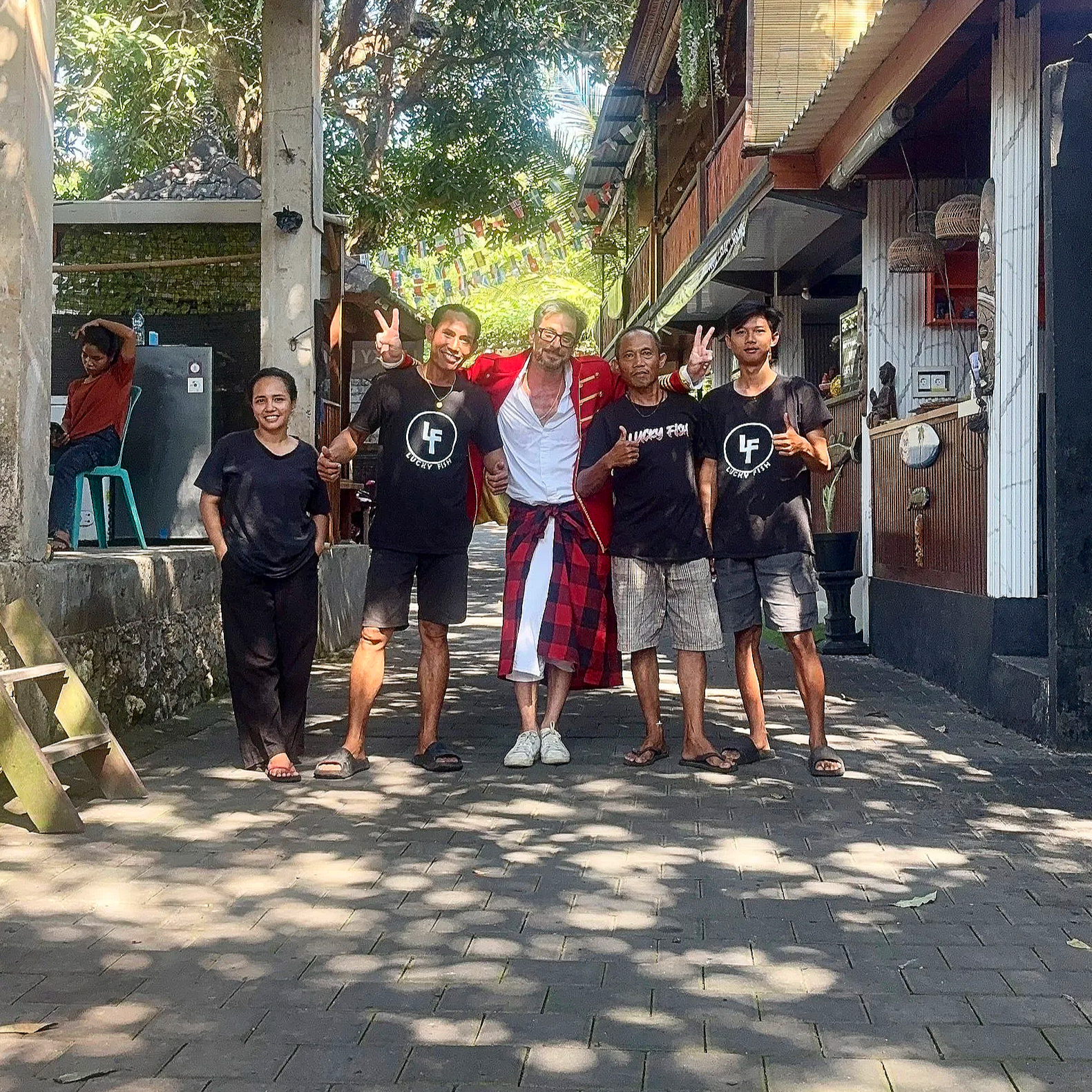
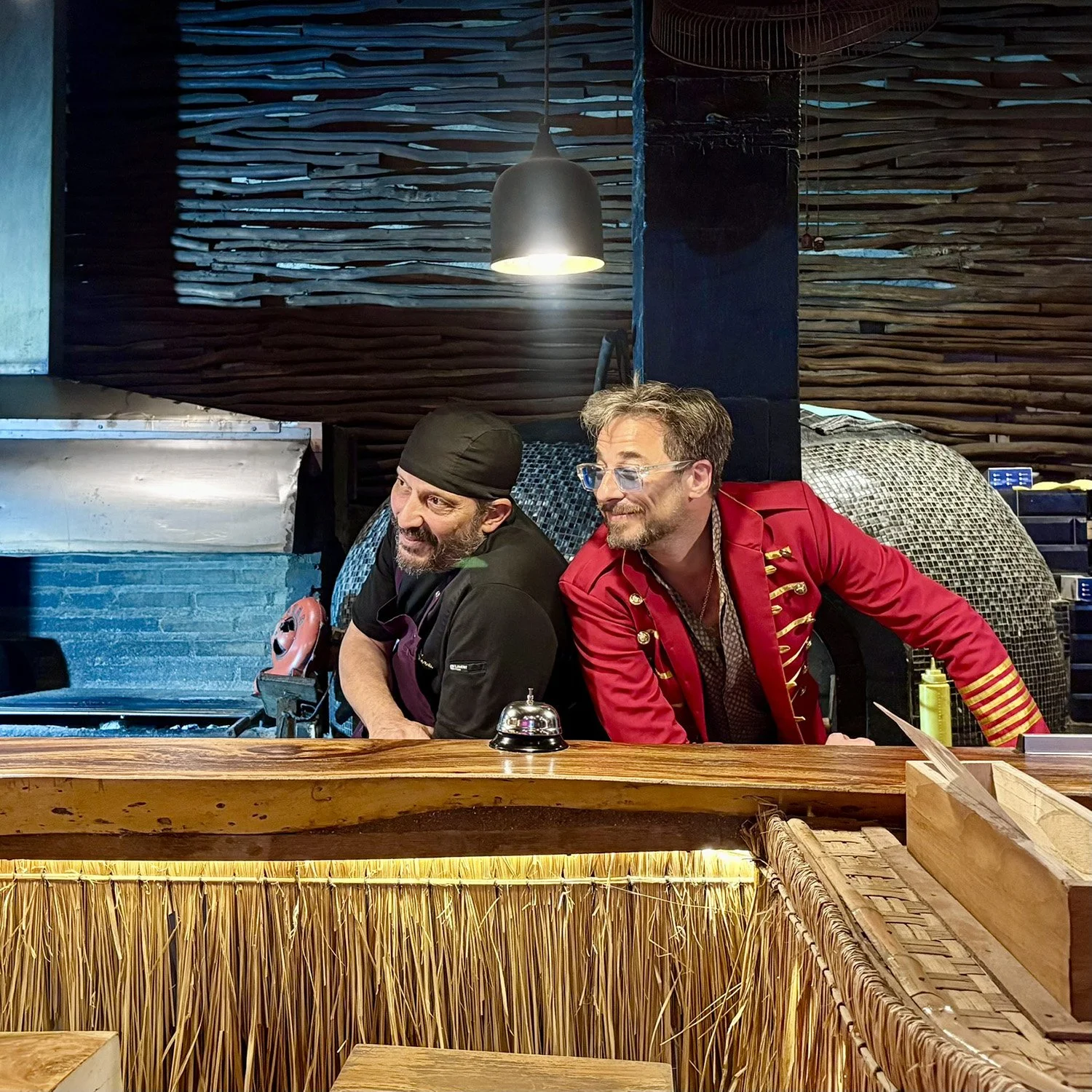
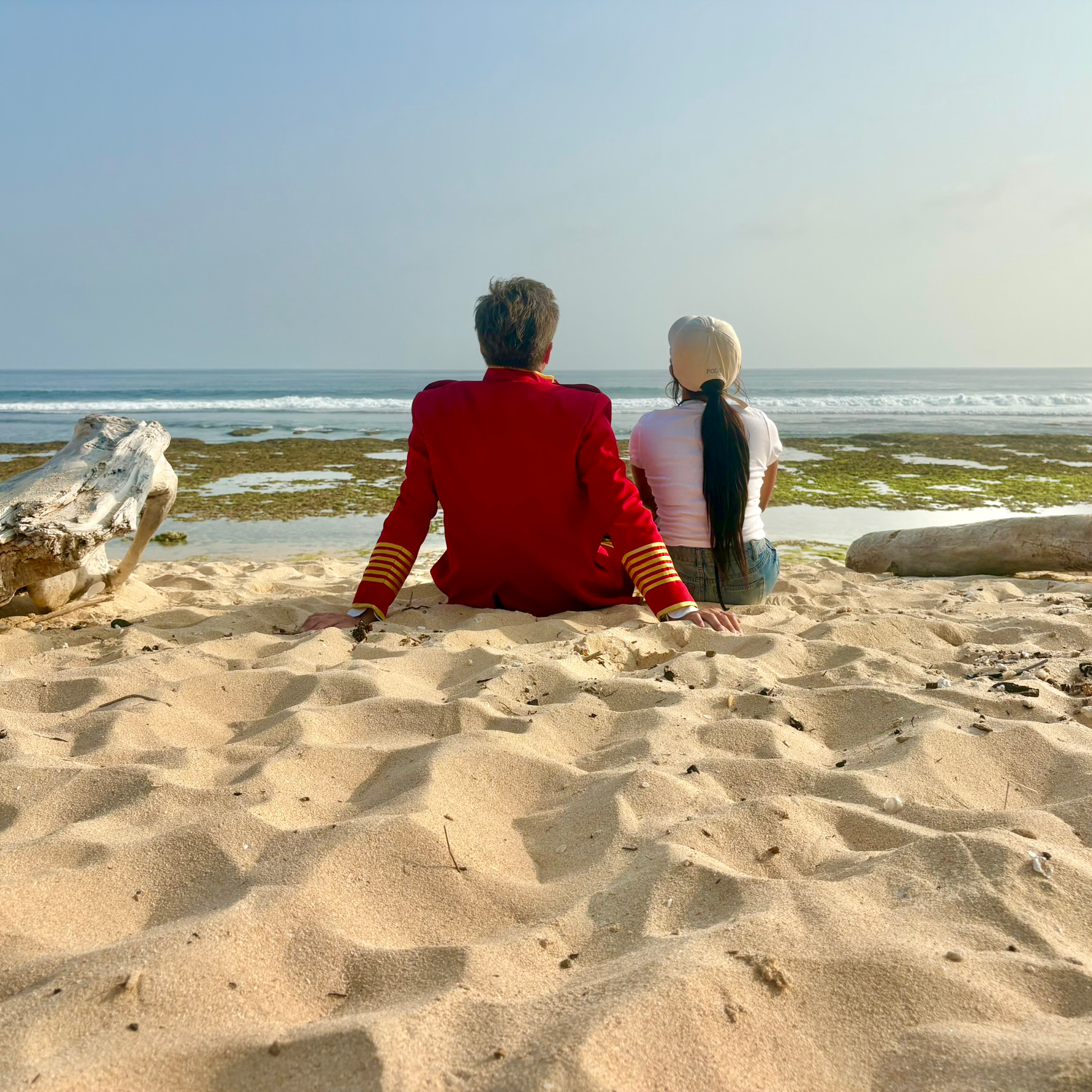
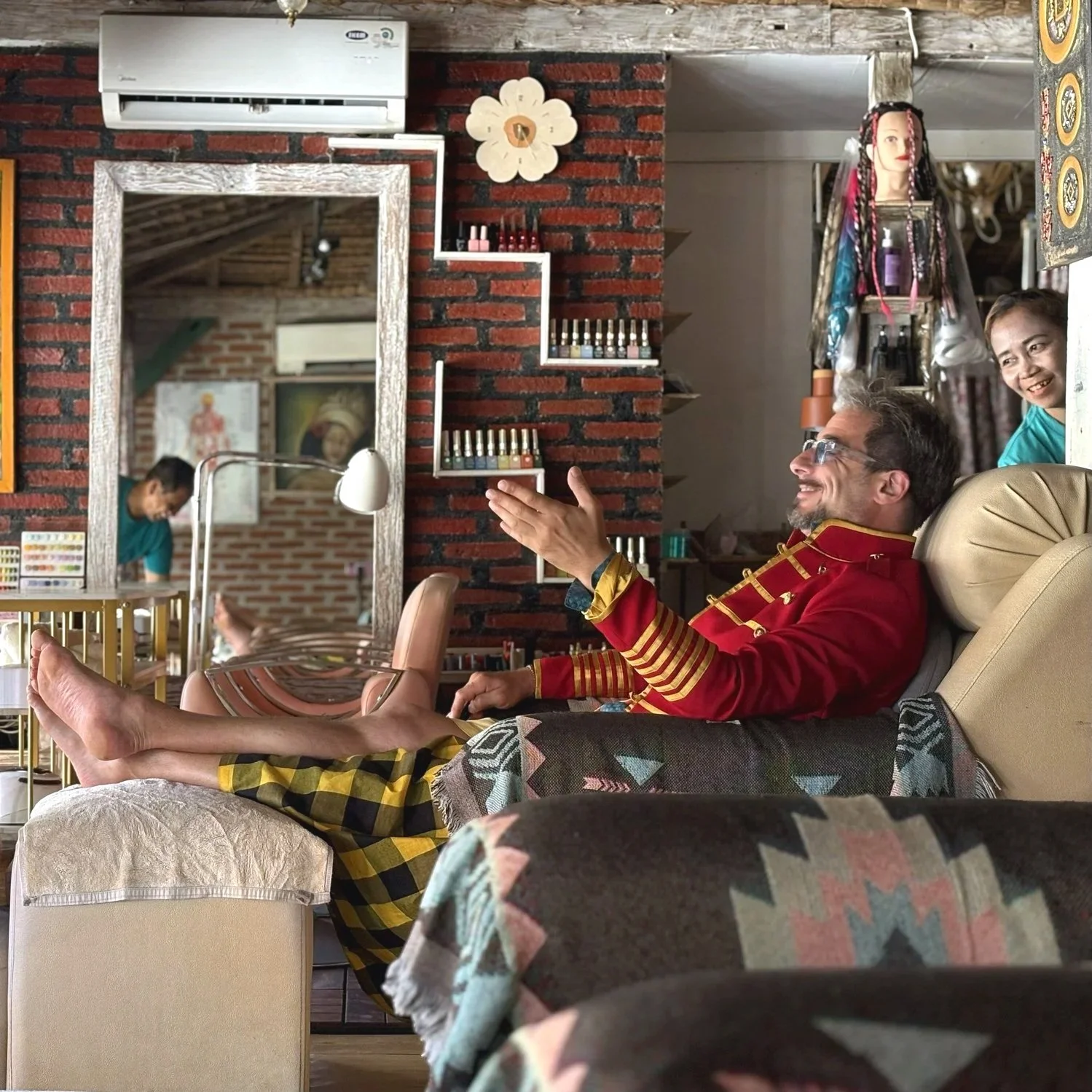

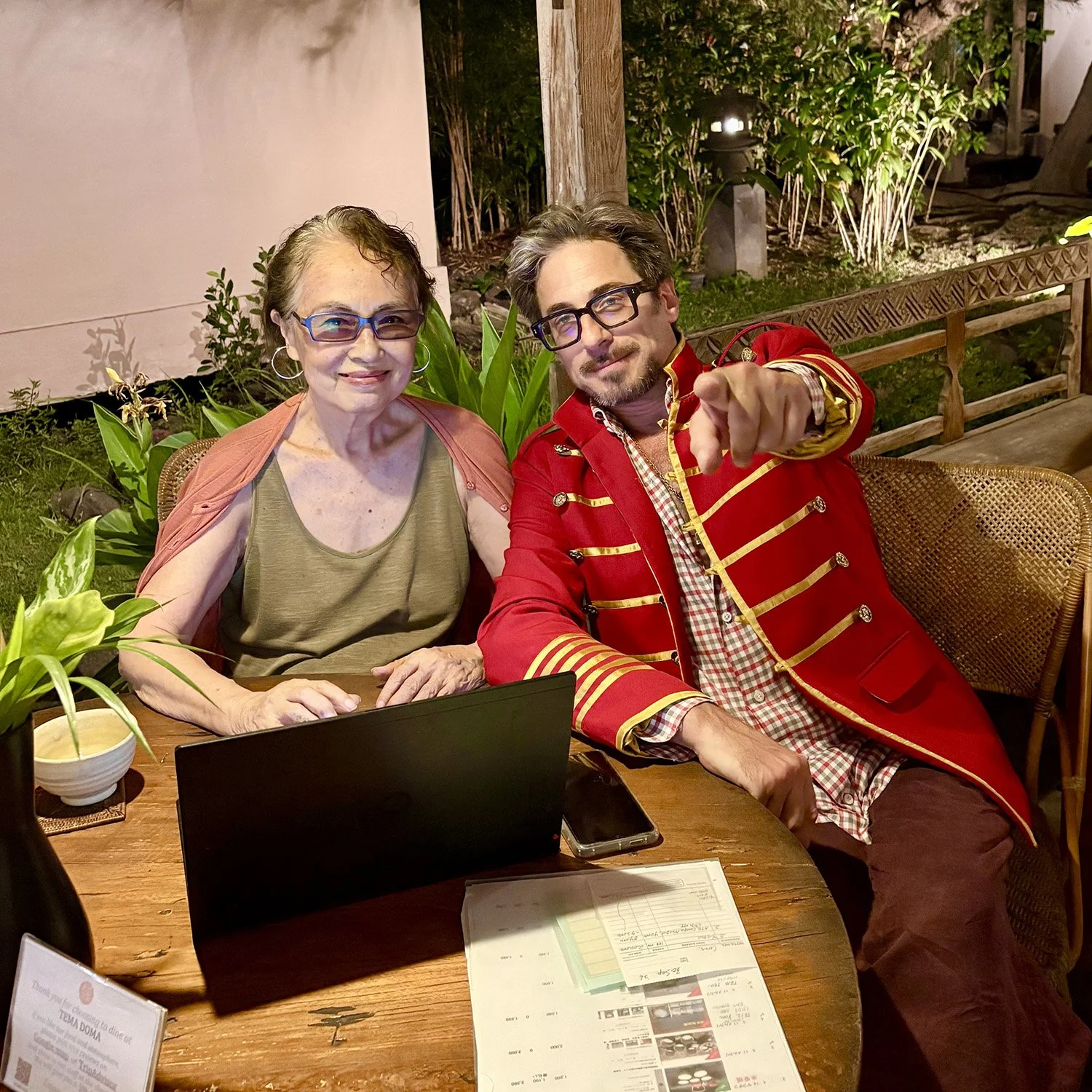
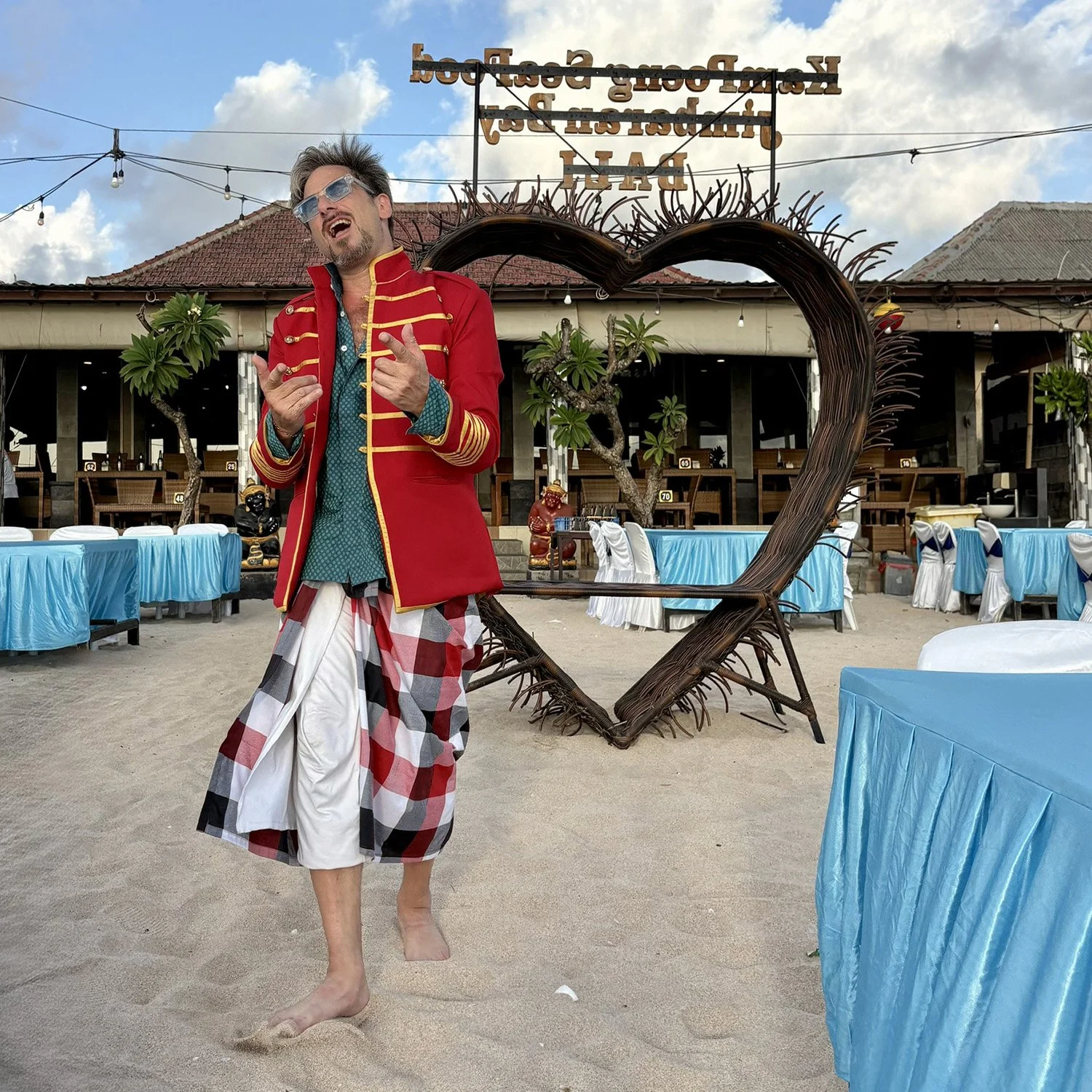


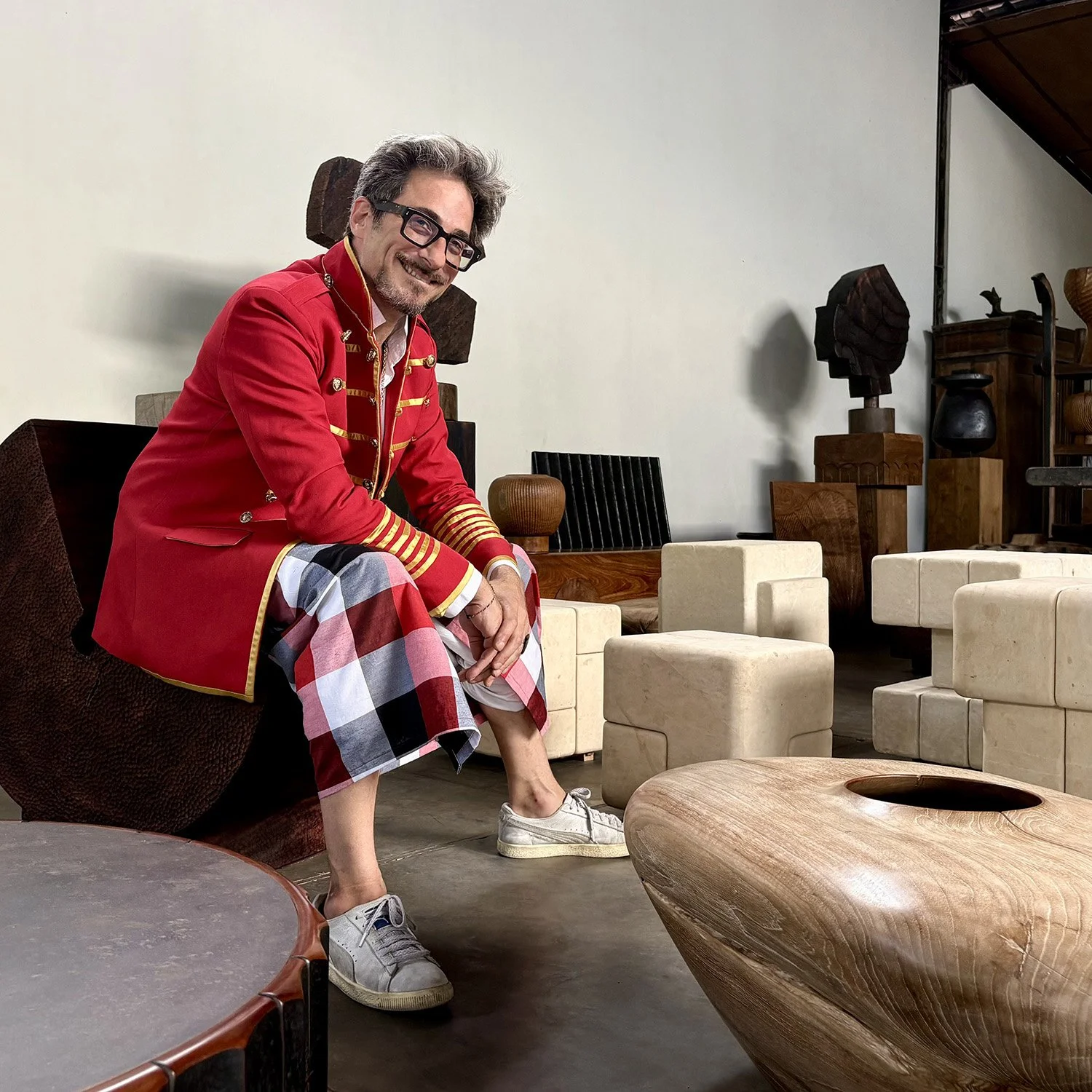
And as for everything beautiful I choose to remember, I have gathered it in Bali by VRO. A personal collection of places, encounters and experiences that made these almost two years so memorable. Not an exhaustive travel directory, nor another catalogue of fashionable destinations, but a selection of addresses that have genuinely meant something to me.
“This is what remains of my Bali, and I am happy to share it with you.”